Lab Grown Diamonds for Dummies
Table of ContentsAbout Lab Grown DiamondsAn Unbiased View of Lab Grown Diamonds9 Simple Techniques For Lab Grown DiamondsOur Lab Grown Diamonds Statements
As you take a trip closer to the Earth's core, pressure and temperature level increase, which produces the excellent stove for carbon to be exchanged ruby (diamonds are the only gemstone to be made from purely one component). With a large volcanic eruption, these rubies were transported to the Earth's surface area. It's approximated this process was fairly quick (probably throughout numerous hours), which allowed the rubies to remain undamaged without melting.The short answer: carat weights measure the mass of stones, karats determine the pureness of gold. Carat: 1 carat amounts to 0.2 grams, about the weight of a paperclip (following time you see a photo of Mariah Carey's 35 carat weight engagement ring, just envision the problem of lugging 35 paper clips around your finger each day).
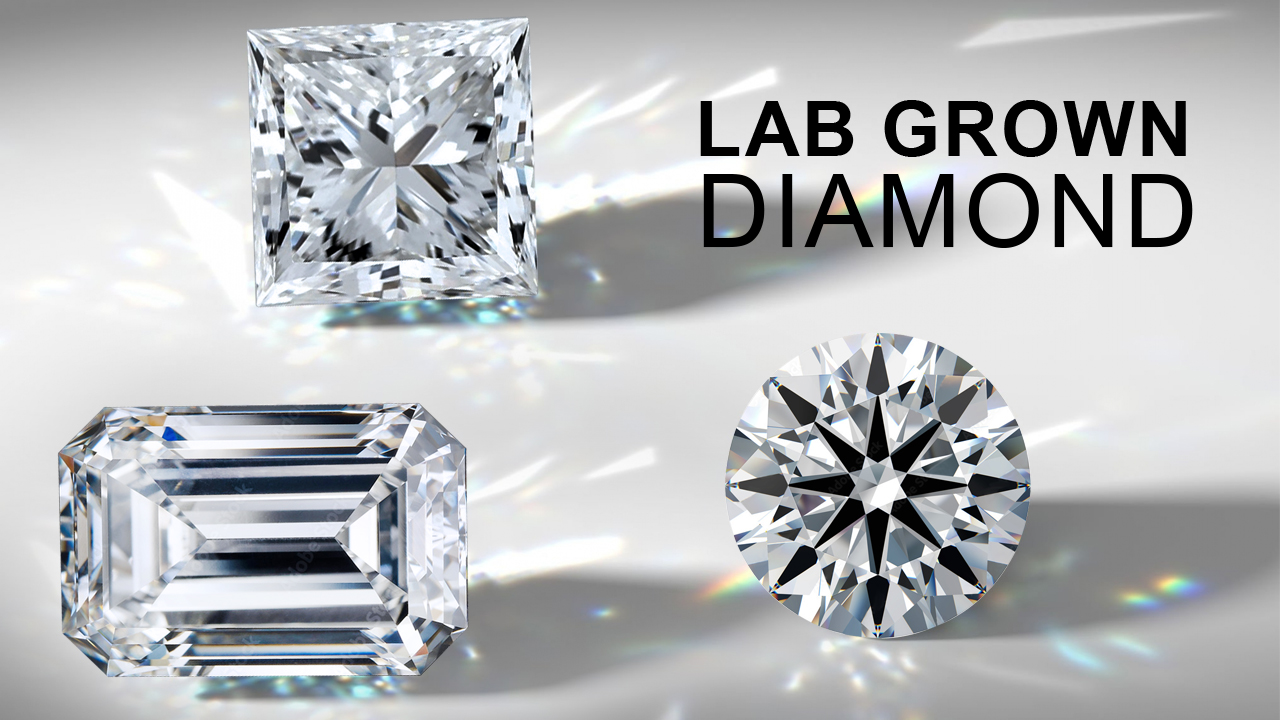
Right here are a few of the essential advantages of laboratory grown diamonds and laboratory grown ruby jewelry:.
Lab Grown Diamonds Fundamentals Explained
Simply put, natural or earth-mined rubies are crafted over millions of years beneath the Earth's crust from pure carbon incorporated with pressure and heat. Producing rubies in a lab needs the same process, simply fine-tuned to occur over a much smaller sized time structure in a much more controlled setup.
Whereas earth-mined rubies are rare and limited and tend to increase in cost over time, lab diamonds are readily available., like lab-grown ruby rings, they will not be a great fit for your needs.
They might think that the disadvantages of lab-grown rubies surpass the pros. Some could argue that, for this factor, acquiring a lab-made diamond additionally comes with its honest factors to consider, as doing so takes revenue away from those included in the all-natural ruby industry who might need it most.
Conventional diamonds count on the Planet's conditions to determine their quality or absence thereof. In a lab, producers can directly control a ruby's high quality.
Lab Grown Diamonds for Beginners
You can conveniently discover colored, synthetic diamonds on the (fairly) low-cost side as check here well as specific cuts that would certainly be more expensive if you were going shopping for a mined diamond only. That hardly suggests it isn't worth safeguarding.
all-natural rubies is that the last is mined from natural deposits in the Earth while the previous is made in a lab utilizing regulated setups. However their high quality is greatly the exact same. Lab Grown Diamonds. While the distinction between lab-grown and natural ruby alternatives are minimal when it comes to quality, some of the disadvantages of lab-grown rubies include the fact that the stone will drop gradually and, to some, an absence of nostalgic value that's often linked with extracted rubies
The procedure entails marginal land interruption and gets rid of problems associated with logging and environment destruction. Lab-grown diamonds are often a lot more affordable than all-natural rubies. This expense difference can be associated to the structured production process and the avoidance of expenditures associated with typical mining. The Controlled Setting in Which Lab Grown Diamonds Are Developed Allows for Consistent High Quality.
Flexibility in Design - Laboratory Grown Diamonds Offer Designers and Consumers a Versatile Palette to Develop Special and Cutting-edge Fashion Jewelry Styles. the Controlled Development Refine Permits The Production of Diamonds in Various Sizes And Shapes. Lab Diamond Rings are one of the most Famous Amongst Lab Diamond Precious Jewelry. Lab Diamonds Commonly Feature An Even More Clear Supply Chain.
Lab Grown Diamonds for Dummies
Market Assumption - In Spite Of Their Similar Physical Features, Laboratory Diamonds Might Face Challenges in Market Perception. Some Customers Still Perceive Natural Diamonds as Having Greater Worth and Stature. The Manufacturing of Lab-Grown Diamonds Can Be Energy-Intensive, Particularly in Techniques Like High Stress Heat (hpht) and Chemical Vapor Deposition (cvd).
Natural Diamonds Are Formed Over Millions of Years Deep Within the Earth, Adding To Their Regarded Rarity. Lab-Grown Diamonds, Regardless Of Their Similar Feature, May Not Carry the Exact Same Rarity Aspect, Affecting Their Perceived Worth for Some Customers. Effect on Diamond-Dependent Economic Situations - the Shift In The Direction Of Laboratory Grown Diamonds Might Have Financial Effects for Nations and Neighborhoods that Rely On The Diamond Mining Industry.
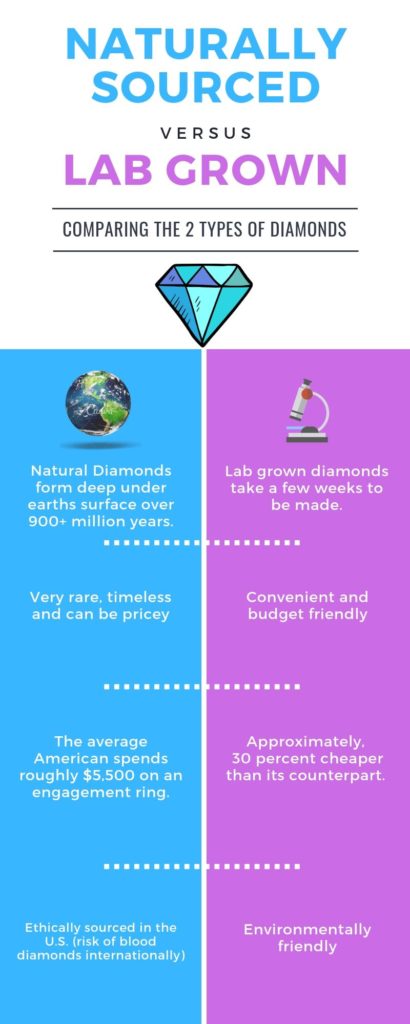
Ans. Lab Diamonds Are of Equal High Quality to Natural Diamonds in Terms of Solidity, Radiance, and Clearness. the High quality of A Ruby, Whether Lab-Grown or Mined, Is Determined by Its Cut, Color, Quality, and Carat Weight Weight. Ans. Yes, Laboratory Diamonds Glimmer Much Like Natural Diamonds. Their Brilliance and Shimmer Are an Outcome of Their Cut and The Means Light Connects with Their Aspects. Ans.